Do I Need a Hearing Test? Screening Guidelines After 40
Hearing often changes so gradually that we don’t notice it

By: admin | May 8, 2026
Hearing often changes so gradually that we don’t notice it happening. You might find yourself asking people to repeat themselves more often, turning up the TV volume a bit higher or struggling to follow conversations in busy restaurants.
These small shifts can feel normal, especially after 40, but they add up in ways that affect daily life more than most people realise. When hearing starts to decline, even a little, it can lead to misunderstandings, social withdrawal and a sense of disconnection that impacts your relationships and quality of life.
Regular hearing screenings after 40 give you a clear picture of where things stand, making it easier to address any changes before they affect everyday life. Many people wait years before seeking help, often because they assume hearing loss only affects older adults.
A simple screening can help you understand if you have hearing loss and if so, what treatments are available.
Paying attention to hearing health after 40 is important because changes in hearing often happen gradually and can be easy to overlook. You may still hear well in quiet settings, yet notice that conversations feel less clear in groups or noisy places.
Hearing screenings are about understanding your baseline and spotting small shifts early. Knowing where hearing loss is difficult can make everyday communication feel easier and help you stay engaged at work, at home and in social settings.
A simple hearing test offers useful information and supports informed decisions about your health as your listening needs continue to evolve.
Hearing often changes with age in ways that are often gradual. After 40, the brain and ears may work a little harder to process speech, especially in environments with background noise or multiple speakers.
These shifts are common and tend to develop slowly, which is why routine hearing screenings become more important at this stage of life. Regular testing helps identify changes early and provides useful information to guide decisions about your hearing health.
There are several signs that indicate it may be time for a hearing check.
These include having trouble following conversations, especially in noisy environments or feeling like people are mumbling. You might also find yourself turning up the volume on the TV or radio more than before.
Missing important sounds like doorbells, alarms or someone calling your name can also signal a change. If friends or family mention that you seem to have trouble hearing, it is a good idea to pay attention to these observations.
Hearing health is closely tied to overall health, and certain medical conditions can raise the risk of hearing changes over time. When the body is managing long term health issues, systems that support hearing, like circulation and nerve function, may also be affected.
These changes often develop gradually and may not be noticed right away, which is why hearing is sometimes overlooked during routine care. Some health issues commonly linked to a higher risk of hearing loss include:
Recognising these connections makes it easier to take a proactive approach to your hearing health.
Once adults reach their forties, hearing changes often happen slowly and can be easy to miss. Because these changes tend to be gradual, many people assume their hearing is the same as it has always been.
Regular hearing testing helps create a clear picture of what is normal for you, making it easier to notice small shifts over time. Routine checkups allow you to stay aware of your hearing health as part of overall wellness.
For most adults over forty, audiologists recommend hearing tests every three years. This schedule gives audiologists a way to track changes and spot patterns that might not be obvious in daily life.
If you spend time in noisy environments, have a family history of hearing loss or notice changes in how conversations sound, testing may be recommended more often. These factors can influence how quickly hearing shifts, even when everything else feels normal.
Health experts recommend that adults over forty have their hearing checked every few years, even if there are no noticeable problems. Regular screenings help identify changes early and make it easier to manage hearing loss before it affects your daily life.
About one in three people between ages 65 and 74 has some degree of hearing loss, according to the National Institute on Deafness and Other Communication Disorders. Following these guidelines helps you keep track of your hearing health and allows for early support if changes are found.
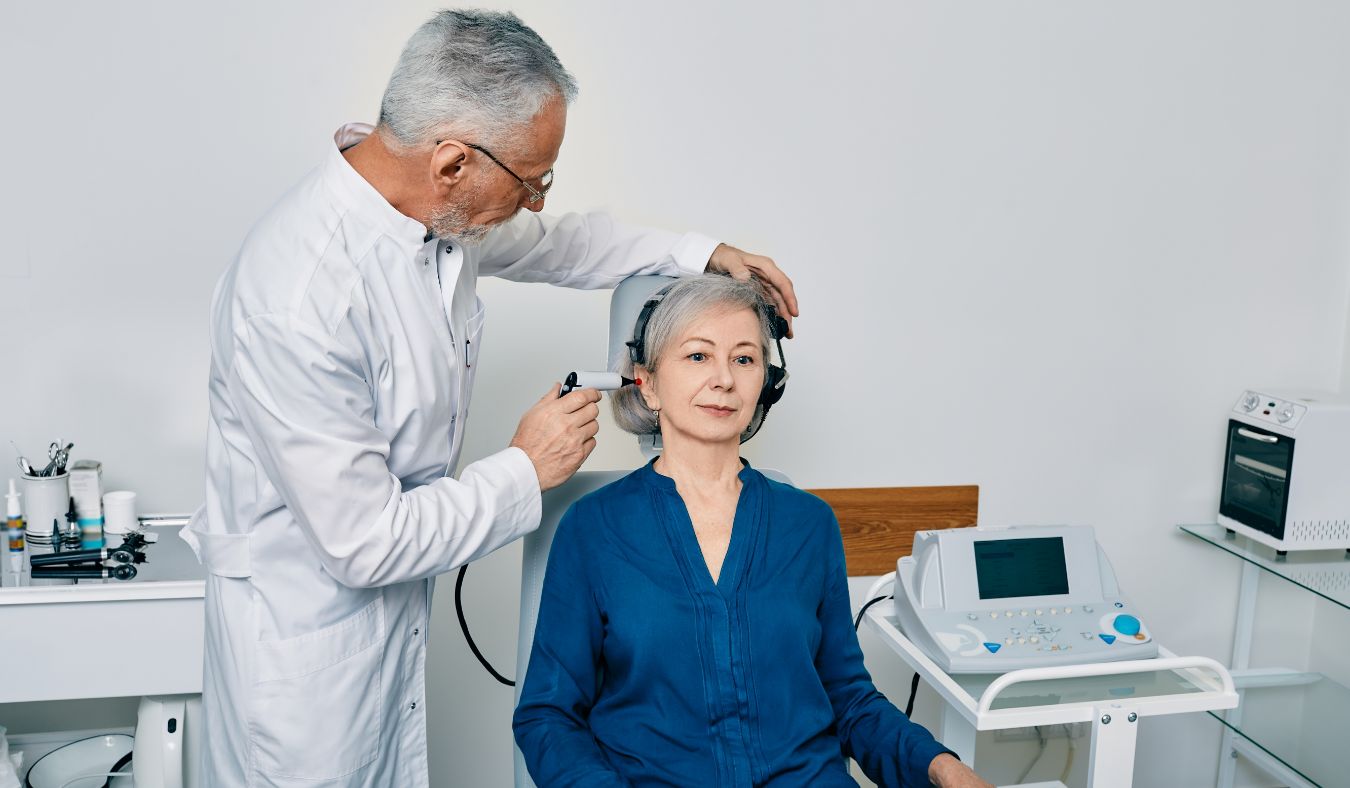
A standard hearing screening appointment usually begins with a conversation about what you have been noticing in daily life. You might discuss situations where hearing feels clear and moments where it takes more effort, along with any past noise exposure or health factors that could affect your hearing.
This part of the visit helps give context, since hearing is shaped by everyday experiences, not just test results. The goal is to understand how your hearing fits into your routine and what might be helpful to monitor.
During the screening, you will go through a short set of listening checks in a quiet environment. The process is simple and does not take long, and you can ask questions at any point.
Afterward, the results are explained in plain terms, so you understand what they mean and whether any next steps are suggested. The appointment is designed to give you useful information and help you make decisions about your hearing health.
Basic hearing screenings and full hearing evaluations serve different purposes, but both are valuable for keeping track of your hearing health. A basic screening is a quick check to see if there are any signs of hearing changes.
It is usually brief, easy to complete and gives a general sense of whether further testing might be needed. Screenings are a good first step, especially if you are not experiencing obvious hearing difficulties and they can help identify early changes before they start to affect daily life.
A full hearing evaluation is more detailed and looks closely at how your ears and brain process sound. It includes a wider range of listening tests and often involves a review of your hearing history, lifestyle and any factors that might influence your hearing.
This type of evaluation provides a comprehensive picture and can guide recommendations or next steps, like strategies to improve communication or protect your hearing in the future. While a screening can point out potential issues, a full evaluation gives a deeper understanding and a clearer plan for maintaining or improving hearing health.
If a hearing screening indicates signs of possible hearing loss, the first step is to follow up with a more thorough evaluation from an audiologist. A screening is designed to highlight potential changes, but it does not provide a full diagnosis.
Scheduling a comprehensive assessment helps clarify the results, identify the type and degree of hearing changes and help find the right treatments for your needs. Acting on the results early can make it easier to manage hearing challenges before they begin to affect daily life.
After the follow-up evaluation, your audiologist will discuss your options and make recommendations based on your specific needs. This could include strategies for protecting your hearing, using assistive listening tools or exploring other solutions that make communication easier.
Taking these steps allows you to stay informed, maintain your routines and conversations and activities you enjoy.
After your hearing screening, the results give a clear picture of how your ears are working and whether any changes have started to occur. The results are typically explained in simple terms, highlighting areas that are working well and any sounds that may be harder to hear.
Understanding your results helps you make informed choices about next steps, whether that means monitoring your hearing, making lifestyle adjustments or discussing options with your audiologist.
When you schedule a hearing screening after 40, it can help to come prepared with a few questions to make the most of your appointment. Asking about what changes in hearing are normal with age can give you a clearer sense of what to expect and what to watch for.
You might also ask how often you should have screenings, especially if you spend time in noisy environments or have other health conditions that could affect hearing. These questions help you understand your hearing in the context of your everyday life and guide decisions about future checkups.
It’s also useful to ask about practical steps you can take if any changes are detected. Questions about lifestyle adjustments, communication strategies or follow-up options can give you tools to stay comfortable and confident in conversations.
You can ask about what the results mean, how to track any changes over time and when it might make sense to schedule the next test.
After a hearing screening, one of the main treatment options often discussed is hearing aids.
These devices are designed to make sounds clearer and easier to follow, helping you stay engaged in conversations and everyday activities. Modern hearing aids are discreet, adjustable and can be tailored to your specific hearing needs.
During this discussion, your audiologist will explain how different styles work, what level of support might be most helpful and what to expect in terms of daily use and maintenance. The focus is on finding a solution that fits comfortably into your life rather than forcing a one-size-fits-all approach.
It gives you a chance to understand how they can improve communication, reduce strain in noisy environments and support long-term hearing health. Being proactive after 40 helps you stay confident in social settings, follow conversations more easily and continue enjoying activities without letting hearing changes slow you down.
Regular hearing screenings after age forty are an important part of maintaining your health and staying connected with those around you.
Even if you have not noticed major changes, following screening guidelines can help catch small issues before they become bigger concerns. These steps support clear communication and help you keep up with daily activities as you get older.
If you are over forty or have noticed any changes in your hearing, consider reaching out for a professional screening. Our team at Professional Audiology Clinic offers hearing services throughout Alberta. For more information or to schedule a visit, call us today.
Hearing often changes so gradually that we don’t notice it
By: admin | May 8, 2026