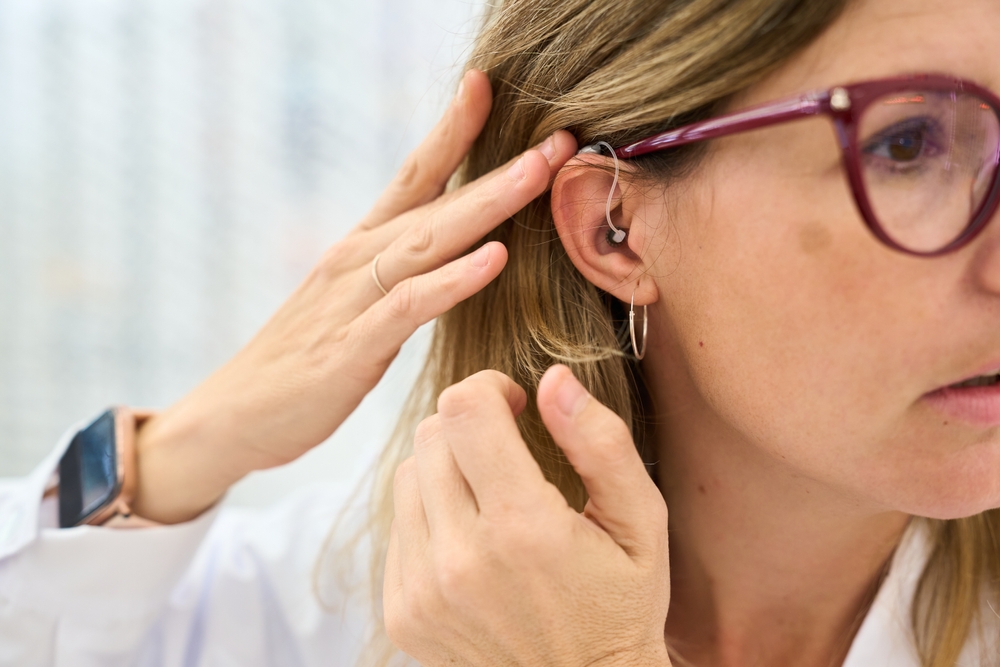



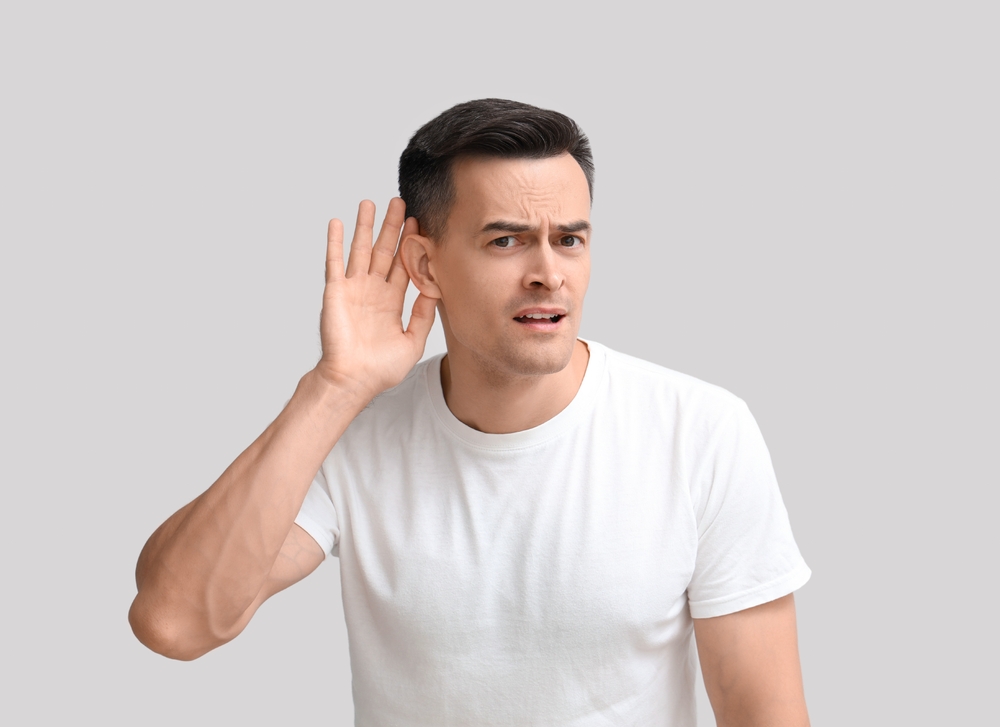



A primary reason individuals put off addressing auditory deficits is the assumption that assistive devices will be unsightly or awkward to wear. This hesitation is entirely valid given historical product designs! Furthermore, many individuals harbored deep anxieties about social isolation, fearing others would exclude them from discussions based on assumptions of cognitive decline or profound […]
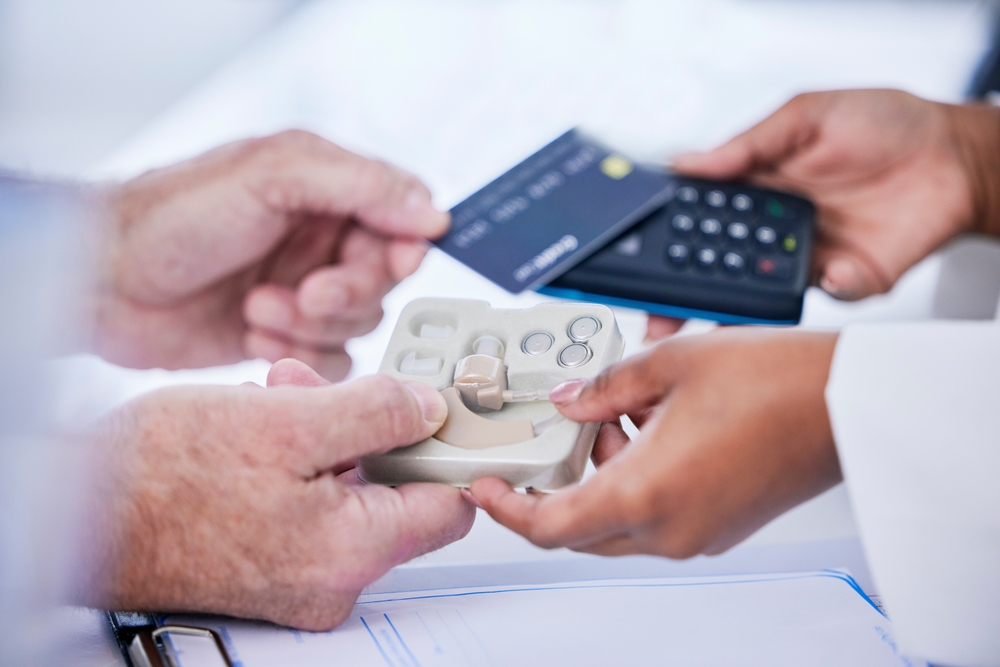
Patients researching therapeutic sound amplification often find that the initial acquisition expense stands out immediately. The total investment fluctuates significantly based on the specific acoustic gain features and the level of personalized audiology care included. This baseline cost frequently catches individuals off guard, occasionally stalling their journey toward improved communication. The sticker price is a […]
Is coverage for hearing aids available through Medicare? The simple answer is no. Standard Medicare coverage does not include hearing aids. We understand this isn’t the preferred answer, and many individuals are caught off guard by this fact. On the bright side, you have other alternatives to consider. Options such as Medicare Advantage plans, flexible […]
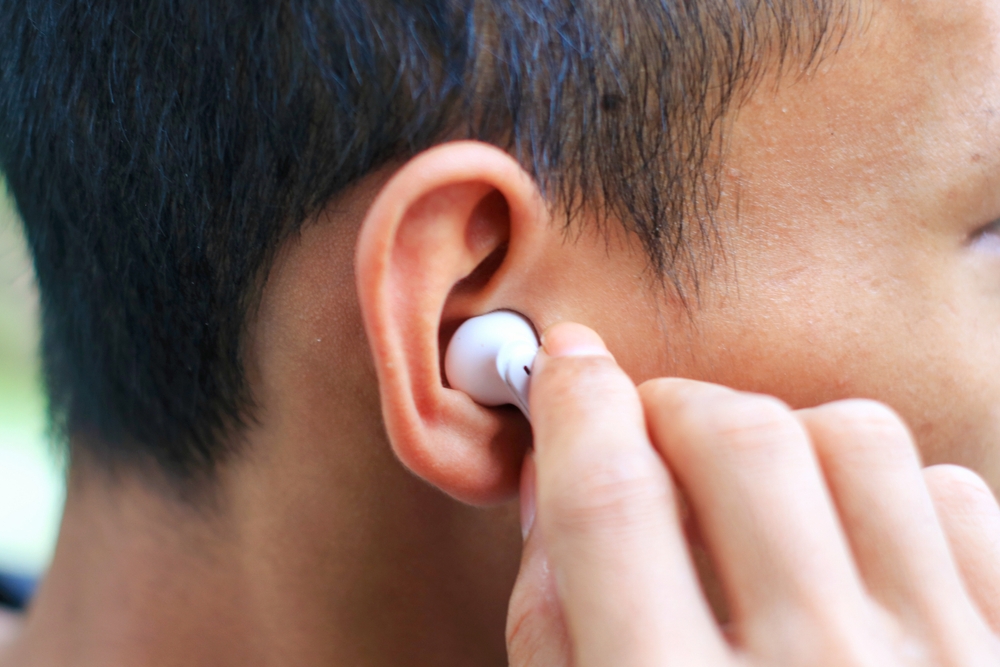
We seldom encounter a teenager or young adult who isn’t currently using a personal audio device. Even with their larger footprint, headphones remain a popular choice for teenagers looking to disconnect from the world. The appreciation for music is a cross-generational trait, yet younger individuals often depend on it for constant background stimulation. This leads […]
Most people think of hearing as something the ears do, which is partly true. In reality, the act of hearing is a sophisticated neurological process that relies heavily on brain health. This term defines the brain’s specialized role in translating raw sound waves into coherent linguistic data. For example, you might hear someone speaking clearly, […]
While most assume hearing is localized to the ears, the brain serves as the primary engine for auditory interpretation. While the ears capture raw acoustic vibrations, the brain performs the heavy lifting of decoding them into language and thought. When hearing loss develops, the brain receives less information about sound. This reduction in stimulus creates […]
Have you ever felt totally drained after a long conversation or social gathering? You might initially blame your exhaustion on general tiredness or a busy lifestyle. And it’s true that for introverts or people with sensory issues, social situations can be exhausting. But in some cases, the cause is a lesser-known culprit: auditory fatigue. Auditory […]
While auditory decline is statistically prevalent, pervasive misconceptions often deter individuals from pursuing clinical intervention. Proactive management of hearing loss ensures the best possible outcomes for auditory preservation. Accepting hearing myths as fact typically results in late-stage intervention and diminished communicative function. If you have concerns about your hearing, knowing the truth (and the myths!) […]
While auditory decline is often linked to senescence or acoustic trauma, seasonal variables significantly influence functional hearing. If you perceive winter ear-blocking or heightened summer sensitivity, these are recognized clinical patterns. Fluctuations in seasonal hearing loss symptoms typically stem from shifting ecological triggers across the four seasons. Fortunately, identifying the seasonal stressors on your auditory […]
While many are aware that decibel levels impact auditory health, prescription drugs represent a more obscure risk. Drugs capable of affecting your auditory range are classified as ototoxic, signifying their ability to injure the internal ear structures. While many ototoxic drugs are necessary (and highly effective) for treating serious medical conditions, knowing the risks can […]